The long-serving Google employee is one of the highest-profile females in Silicon Valley.
Go to Source
Does Ant-Man and the Wasp: Quantumania have a post-credits scene?
Scott Lang is back as Ant-Man in his third solo outing, and this time he’s facing his greatest threat yet in the form of Kang, who is the main villain of Marvel’s Multiverse Saga.
Marvel is known for adding bonus content via extra scenes, but does the latest film follow that trend? Find out with this post-credits guide to Ant-Man and the Wasp: Quantumania.
You can also find out when Ant-Man 3 is available to stream here.
Does Ant-Man and the Wasp: Quantumania have a post-credits scene?
Yes, there are two. One mid-credits scene, and one end-credits scene – so make sure you stay until the very end.
If you want to see what the post-credits scenes entail, then keep on reading.
Ant-Man and the Wasp: Quantumania post-credits scenes explained
Before we start, consider this your spoiler warning for the end of Ant-Man 3.
The first post-credits scene takes place in a world that appears to be floating through space. There, we see three variants of Kang – they are all played by Jonathan Majors but have different costumes and technology. This group makes up what is called the Council of Kangs.
It turns out that this was the group who exiled Kang the Conqueror to the Quantum Realm in the first place.
They discuss how he failed to win against the heroes, and that now they must act. They call in thousands of Kang variants from different realties, all with the aim of eliminating further threats now that the world is beginning to discover all the alternant timelines.
Backblaze Review: Pros & Cons, Features, Ratings, Pricing and more
Backblaze started in 2007 to backup a friend’s computer online. Fast forward to the present, and it is in 175 countries, in excess of 50 billion files backed up, encompassing over two exabytes (that’s two million terabytes in case you were wondering) of data stored.
In other words, it is a serious contender for best cloud backup. Additionally, it has managed to build an efficient outreach program as it publishes every quarter a detailed analysis of the failure rates of hard disk drives and SSD that it uses.
Backblaze also operates another service called B2, which it describes as an “enterprise-grade, S3 compatible storage used to store and serve data while improving companies’ cloud OpEx vs. Amazon S3 and others”.
A major advantage of this service is that it offers no tiers, instead just providing a single unlimited data backup locker, so even as the amount of data you’ve got keeps on growing, you’re still paying the same amount.
However, do be aware that Backblaze is a backup service-only, and that it’s not a place to store and sync your files like an ordinary cloud storage service might provide.

Get Backblaze for free with every ExpressVPN purchase
ExpressVPN, TechRadar’s #1 VPN provider, is offering free unlimited cloud backup courtesy of Backblaze for a whole year with its annual subscription. Secure, business-grade online backup for everyone, no strings attached.View Deal
Backblaze features
Backblaze does not bother you with the details of your backup plan, just that it is occurring: when you initially install the desktop client, it doesn’t require you to select files and folders, but rather just grabs all the files and folders it considers important and starts transferring them to your Backblaze cloud backup.
By default, Backblaze copies everything for an ISO, DMG (Mac disk image), a virtual drive, system files or executables. You have the option to exclude other file types if you wish, but unless exclusively told to ignore them, it will include all other file types. We find it very simple and straightforward, and you can rest easy that your entire computer can be recovered if needed.
We consider it a set-it-and-forget-it solution: Backblaze is there to help you recover data such as if your hard drive catastrophically fails or your laptop fails to boot. However, realize that Backblaze is not for syncing files between computers, or getting at your music and video files in the cloud. You can include external hard drives and (on a business plan) servers in your backups, but networked drives can’t be included.
Backups can be continuous, once a day, or initiated manually. Some extra variety with those timescales would be nice, but we expect the majority of users will leave it set to continuous backup mode. It’s worth noting that while you can backup an unlimited amount of data, you are restricted to one computer for each Backblaze account, and mobile devices aren’t included.
As standard, unlimited versions of files are kept, though only for a period of 30 days. This can be somewhat limiting, especially as weeks can pass before you realize that you are missing an important document. Given the reasonable price for the standard plan, combined with the fact that an unlimited amount of storage could hold thousands of folders filled with documents, images and videos, we think the extra $2 per month (or $14 per year) for extended file history is a no-brainer. This extends it to one year.
While only one computer is supported per license, totally unlimited data storage with no file size limits means that BackBlaze should never be the restricting element to your backing-up needs, which makes this a hugely valuable tool that is also affordable compared to many of its key rivals such as Polar Backup, LiveDrive and Carbonite, all of which offering unlimited storage plans that are currently more expensive.
Because there are no subscription tiers, every account benefits from otherwise premium features. Uploading and downloading when using the desktop client is unthrottled, which means superquick backups up to the maximum speed of your ISP and router. In order to give users more control, manual throttling can limit the amount of bandwidth used by BackBlaze in order to prioritize other tasks. This can be useful for workers who often find themselves on video calls, as it allows backups to continue automatically in the background while providing optimal speeds for your workload.
Backblaze interface
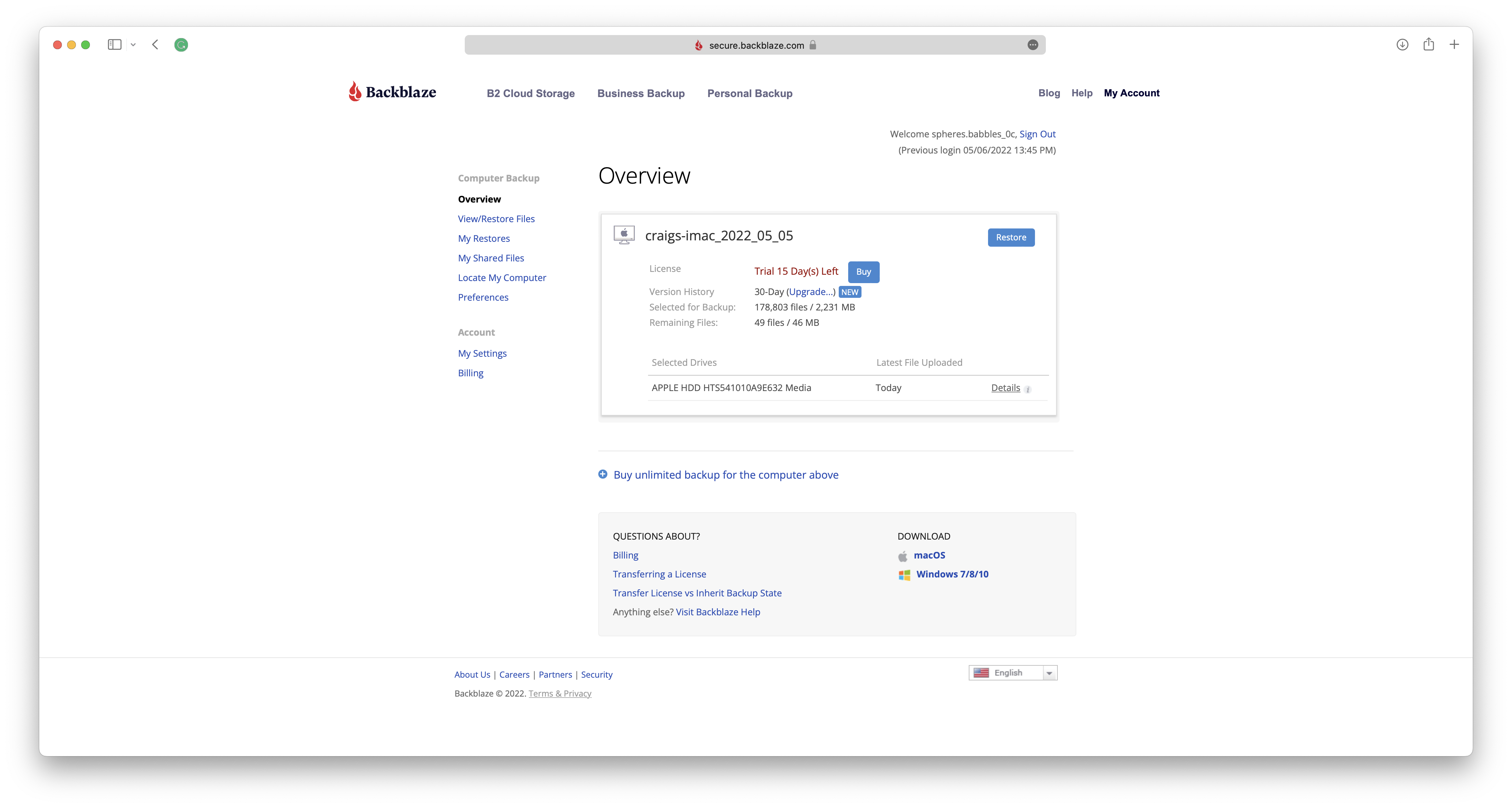
The Backblaze desktop client targets simplicity over power or flash. The options of the Backblaze package are limited, so the software doesn’t have to do much except focus on the job at hand- to make sure that your files are getting continuously backed up in the background.
There is an option to exclude certain files and folders from a Backblaze backup, but it could be more straightforward. Considering you get an unlimited amount of space in the cloud, it’s easier to just let Backblaze backup everything, just in case. Transferring data from an entire computer to the web is potentially a lengthy process, but the speeds Backblaze managed were impressive. You can also choose to pause or throttle the upload process if you think Backblaze is taking up too much bandwidth to override the automatic throttling.
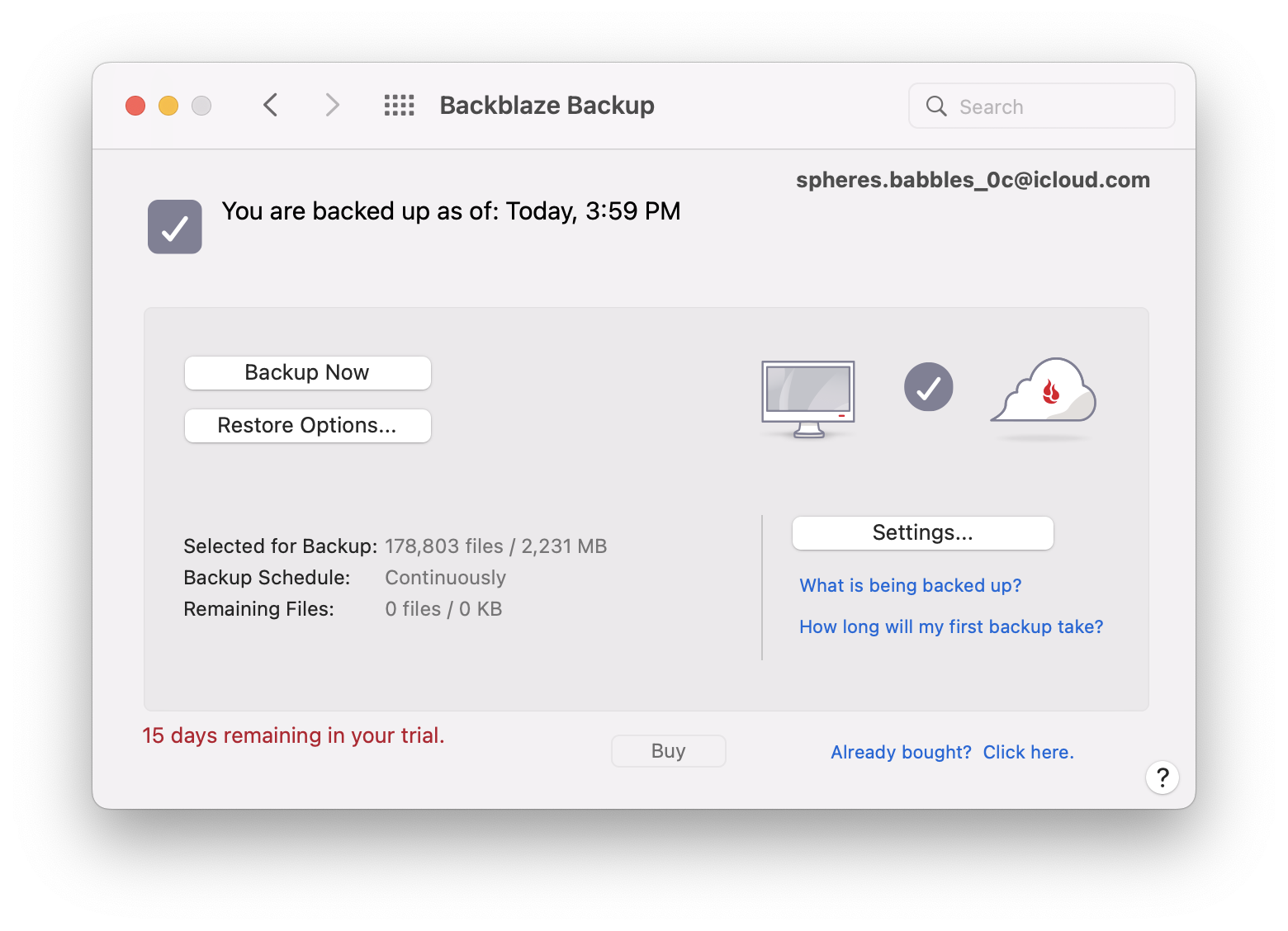
We like its integration within the operating system that helps to simplify the backup process – or at least, for those rare events that users need to modify controls. In this case, Backblaze sits neatly in System Preferences within macOS.
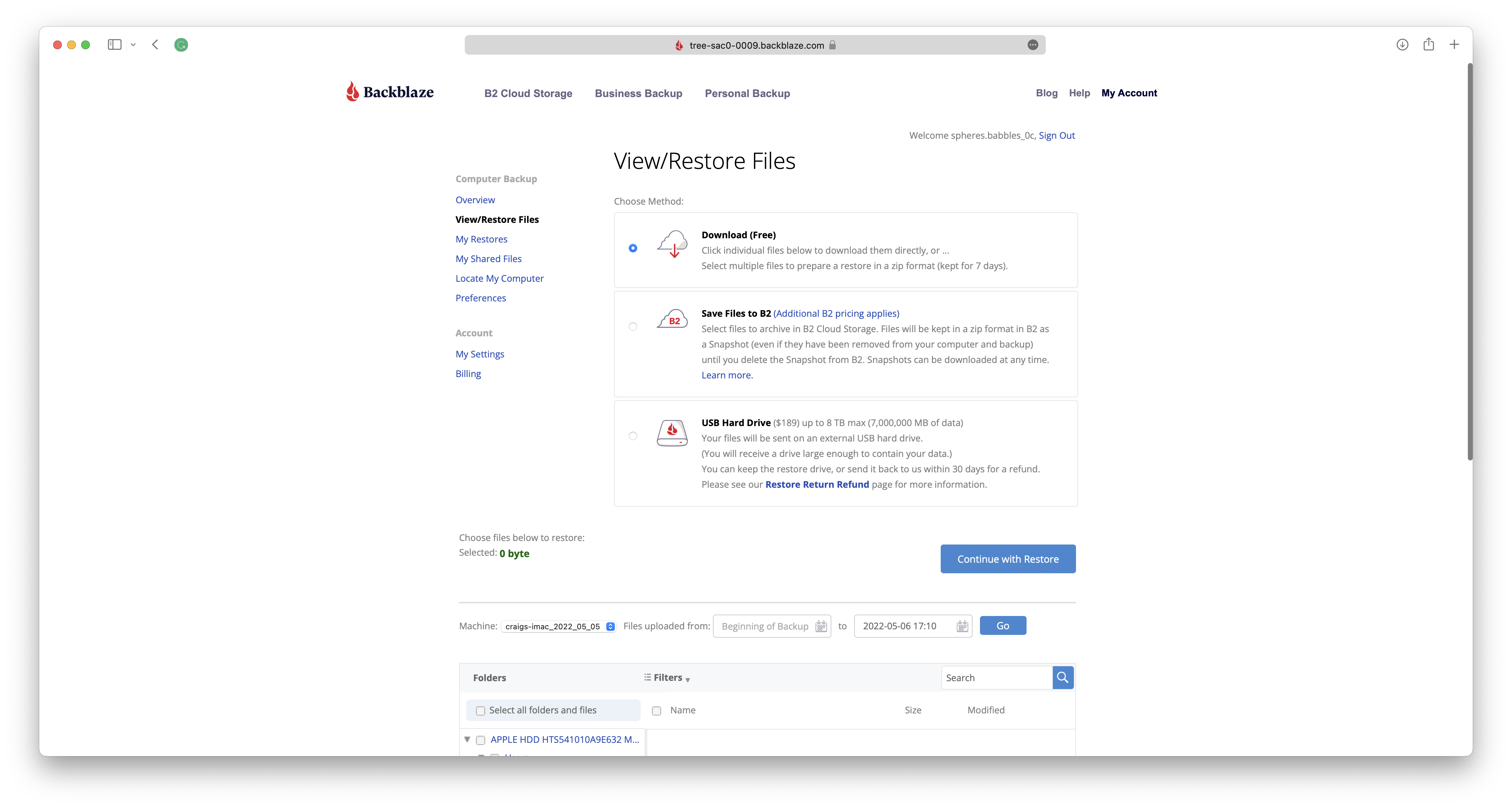
Like the desktop client, the web interface is also cut down and minimal, letting you review backed up files and restore them if needed. There’s also a mechanism for sharing stored files to others that is exclusive to the web interface. Unfortunately, in terms of web functionality, Backblaze falls short of Dropbox, Google Drive or iCloud when it comes to sharing files, however it is ultimately a different proposition so this comparison is unfair.
In the event of a system failure or loss, files can be downloaded for free, or Backblaze will put them on a USB hard drive for $189 and ship your data to your door. While it may not do much beyond suck up all the files on a computer and let you restore them, Backblaze does these core jobs very well. The almost $200 spent on backing up your files should be seen more as a holding fee for the value of the large hard drive (up to 8TB), as when the restore is complete you can return it by mail and receive a full refund.
Backups are limited to PCs and Macs, however alongside the web interface there are iOS and Android apps that allow you to access your data from anywhere. Backblaze Mobile 6.0 – released on December 20th – has a new feel to it with authentication improvements for both platforms plus a bunch of teaks and updates.
While Backblaze focuses on backups rather than cloud storage, backing up a file from your computer will allow you to use it for cloud storage in a rather ‘round about’ way.
Backblaze security
Backblaze gets high marks from a security perspective: not only can you enable two-step authentication on your account, but you can also rely on AES 128-bit encryption and an SSL connection to avoid your data being intercepted as it travels through the internet. While it’s not full end-to-end encryption, it’s certainly safe enough for most users.
There is also the option to set up a private encryption key, known only to you, which adds an extra layer of protection to your data, for those worried about Backblaze staff prying into their affairs. The downside of this is that Backblaze can’t help you if you forget the key, and you need to share it with Backblaze if you ever need to restore your data.
Also worth noting is that users can pick between EU and US data centers.
Backblaze pricing
You can try Backblaze for free for 15 days without giving up any payment card information, but there’s no free tier (as you would expect, because you’re getting unlimited cloud backup). Personal plans currently cost $7 per month, also payable annually ($70) or every two years ($130), which is an increase of $1 per month since last year. There is also the $2 monthly charge in order to upgrade file version history from 30 days to one year, which in our opinion is a must.
Get Backblaze for free with every ExpressVPN purchase
ExpressVPN, TechRadar’s #1 VPN provider, is offering free unlimited cloud backup courtesy of Backblaze for a whole year with its annual subscription. Secure, business-grade online backup for everyone, no strings attached.View Deal
Business customers get the same pricing, although you can contact Backblaze directly for different quotes for backing up multiple computers and servers, and on putting more of your data in the cloud for long-term storage (to replace tape backups). It’s refreshing to see this sort of flexible pricing, but it does make it more difficult to compare Backblaze against competing services.
Backblaze verdict
Backblaze has a large user base, and even some fans, and it’s easy to see why – if you want to back up everything from one computer and its external drives, simply and securely, without spending too much, then it’s hard to beat. We appreciate that there are no limits on file sizes and no limits on the amount of data you can send to the cloud.
Just be certain you know exactly what Backblaze is before you part with any cash: it’s not for syncing files between computers or getting easy access to your files through a web browser. It’s a comprehensive, set-it-and-forget it backup solution for protecting your data should the worst happen, and at that task it provides a great solution.
As such, Backblaze is our favorite backup service thanks to its unlimited storage at a reasonable cost, aided by its array of restoration methods and ease of use.
Baldur’s Gate 3 trailers, gameplay, classes, and everything you need to know
Baldur’s Gate 3 is an RPG set in the iconic world of Dungeons and Dragons. This latest offering from Larian Studios is currently in early access and is set to release in August 2023 on PC and MacOS.
Baldur’s Gate 3 has you take on the role of an adventurer in a fantasy world who must lead a band of unlikely companions on a dangerous quest. Turn-based, isometric combat accompanies cinematic cutscenes in this spiritual successor to BioWare’s classic series by the same name. With hundreds of different character customization options, immersive dialogue, and branching storylines, Baldur’s Gate 3 provides a personalized fantasy epic for you to get lost in.
If you want to know more about Larian’s ambitious CRPG adventure, you’ve come to the right place. Read on to learn everything we know about Baldur’s Gate 3 so far.
Baldur’s Gate 3: cut to the chase
- What is it? A fantasy CRPG set in the world of Dungeons and Dragons
- When can I play it? August 2023
- What can I play it on? PC
Baldur’s Gate 3 release date and platforms

Baldur’s Gate 3′s release date was revealed to be sometime in August 2023 for PC and MacOS. However, the game is currently available in Early Access on Steam.
Those who purchase Baldur’s Gate 3 on Steam can enjoy the game’s first act, as well as a wide selection of character customization and dialogue options. That said, the game is still very much in Early Access. Though uncommon, you’ll likely encounter unfinished cutscenes and other missing features during your playthrough.
Baldur’s Gate 3 trailers
Latest trailer
The most recent trailer for Baldur’s Gate 3 dropped at The Game Awards 2022. During two minutes of delicious visuals, we’re introduced to the game’s main plot along with a few snippets of dialogue from some of the title’s more important characters, including party members Shadowheart, Gale, and Lae’zel.
The trailer’s final moments offer a nice nod to fans of the series, showing Minsc, ranger extraordinaire, escaping from a mimic’s slathering maw in order to exact vengeance upon his captors.
More trailers
Though we’ve plastered a bunch of Baldur’s Gate 3 trailers throughout this article, you can find a host of other trailers, as well as some behind-the-scenes look at the game’s development on Larian Studios’ official YouTube channel.
Baldur’s Gate 3 story and setting
Baldur’s Gate 3 tells the tale of an unfortunate adventurer from the land of Faerûn. Abducted by sinister Mindflayers, our protagonist has been infected with a Mindflayer Tadople, a horrific little parasite that’ll gradually turn them into a tentacle-y abomination. The quest is simple: find a cure.
On this mission, you’ll encounter an ensemble cast of characters who, having found themselves in a similar situation, offer to join your party and support you on your journey. In act one, you’ll journey across the Sword Coast, searching its dangerous beaches and mysterious ruins for any leads you can find.
You’re joined by a memorable cast of characters, too, all of whom bring their own diverse perspectives to the table. Though only five party members are available in Early Access, we can expect more companions to show up in the full game.
Baldur’s Gate 3 classes

When building your character in Baldur’s Gate 3 there are plenty of classes to choose from, each pulled from classic Dungeons and Dragons. When you create your character, you’ll need to select one of these options, so choose wisely.
- Clerics: channel the power of the gods to cast mighty spells.
- Fighters: masters of combat who wield weapons with peerless skill.
- Rangers: scouts who move through the wilds with stealth and grace.
- Rogues: use stealth, reflexes, and versatility to tackle almost anything.
- Warlocks: powerful spellcasters, who form pacts with eldrich beings.
- Wizards: employ knowledge of the arcane to cast devastating spells.
- Druids: harness the power of nature, channeling the power of the wilds.
- Sorcerors: cast spells through the magic of their powerful bloodlines.
- Barbarians: harness unmatched physicality and rage-fueled strength.
- Bards: use the magic of song and speech to weave enchantments.
- Paladins: are warriors of the gods blessed with divine powers.
Baldur’s Gate 3 gameplay
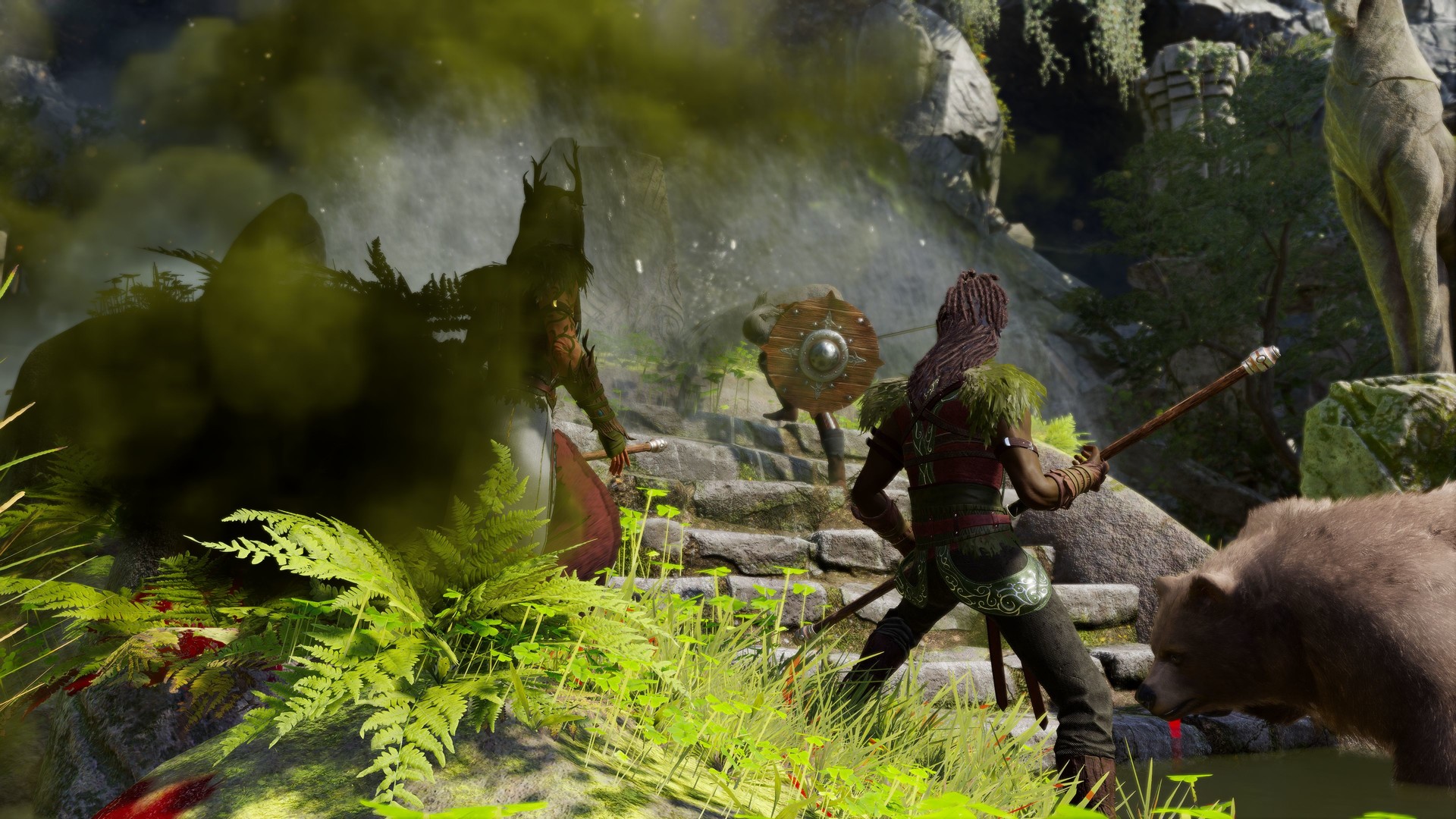
Baldur’s Gate 3 is an isometric open-world RPG where you control a protagonist as well as a supporting party of adventurers. Though visually a lot like Diablo 4, gameplay in Baldur’s Gate is divided between real-time and turn-based sections.
The majority of the game happens in real time, you explore the map, solve puzzles, find items, and talk to NPCs. However, should things get violent, time pauses and characters politely take turns to act. In these moments Baldur’s Gate 3 becomes a lot like a tactical RPG, where positioning, as well as the use of skills and spells, becomes vital if you want to keep your party members alive.
As with previous Larian Studios games, Baldur’s Gate makes liberal use of environmental effects. If you hit a puddle of oil with a fire spell, it will ignite, causing a great deal of inconvenience for any poor unfortunate standing on top of it. Motion and positioning are key, too. Objects can be thrown and enemies can be shoved; providing a buffet of tactical options.
Baldur’s Gate 3 news
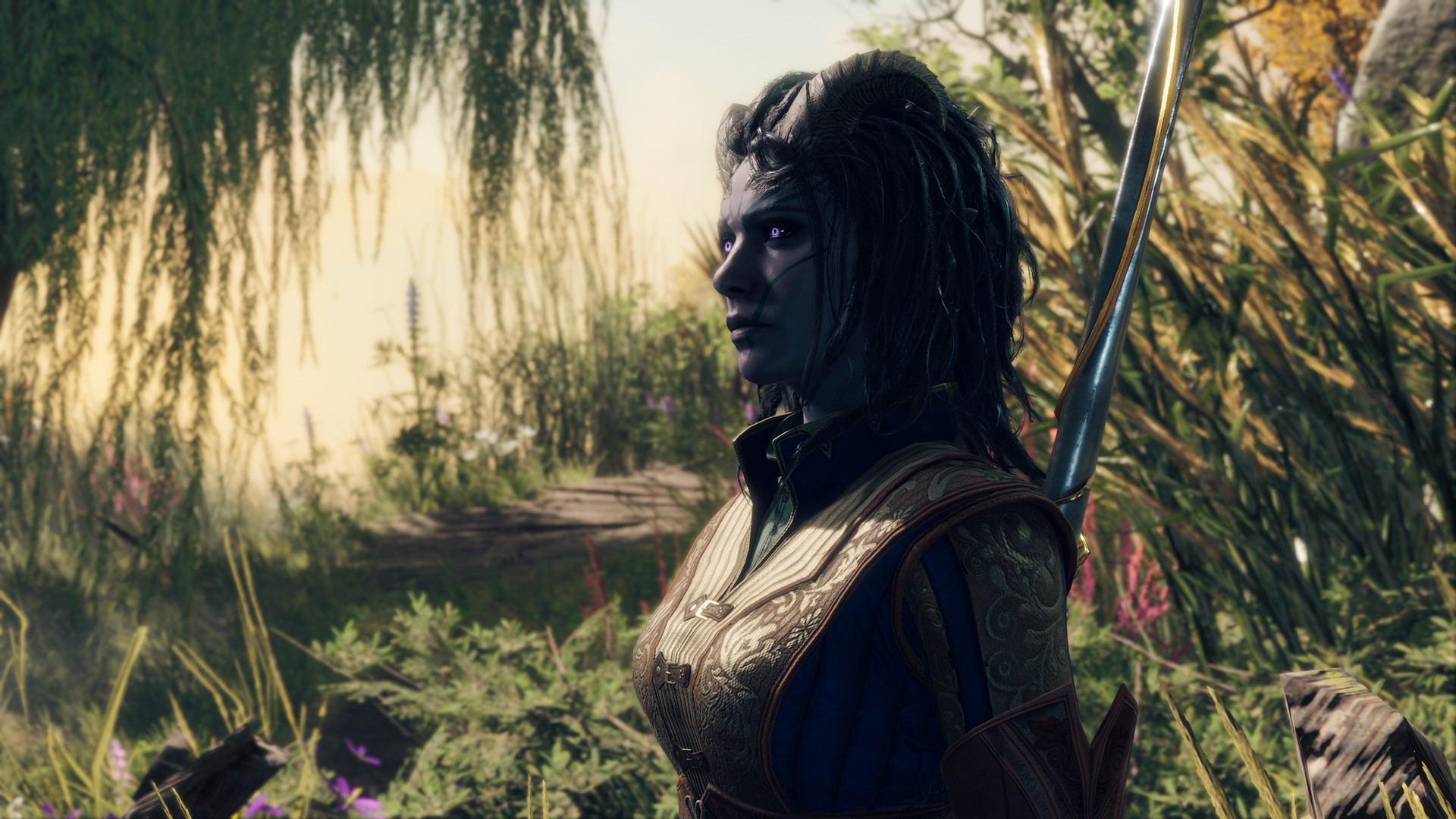
Baldur’s Gate 3’s Early Access gets the ninth update
Released in December 2022, Patch 9 added a host of new features to the Early Access version of the game, including a brand new class: the Paladin. The update also removed the previous level cap and allows players to reach level 5, opening up all sorts of new options for character progression.
Q&A: What happened when a chatbot provider upgraded to ChatGPT?
ChatGPT is a chatbot sensation that virtually every enterprise — large and small — is considering using to create greater business efficiencies. Five days after its November launch, it had 1 million users. Over the next two months, the AI chatbot had more than 200 million users.
The machine learning language program created by San Francisco-based research firm OpenAI offers human-like text responses to queries. It can summarize long articles or text-thread conversations, make writing suggestions, come up with marketing campaigns, produce business plans and even create or correct computer code. And all that can be done with limited investments.
Microsoft, which owns a 49% stake in OpenAI, has invested billions of dollars in the company. It just launched a version of its Bing search engine based on the latest version of OpenAI’s GPT-4 large language model, on which ChatGPT is based. Not to be outdone, Google recently announced its own AI-enabled, experimental chatbot.
Intercom, a customer support software provider whose chatbots are used by 25,000 enterprises globally, including Atlassian, Amazon and Lyft Business, is at the bleeding edge of ChatGPT use. It just upgraded its AI-enabled messaging bot using ChatGPT’s language model.
 Intercom
Fergal Reid, director of machine learning at Intercom.
Fergal Reid, director of machine learning at Intercom, said there are undeniable advantages to using ChatGPT over the company’s original customer service chatbot, which it has been selling since 2018. The chatbot software is used to help client service reps answer customer questions. Intercom also sells a separate product called Resolution Bot that organizations can embed on their websites to offer automated answers to end-user questions.
But there are glitches in ChatGPT that cannot be overlooked, Reid cautioned. And because of those issues, the new chatbot already being used by hundreds of Intercom customers today remains a beta test until problems can be ironed out.
Nevertheless, Intercom’s customers who’ve tested it are praising the updated chatbot (based on OpenAI’s GPT-3.5 language model), saying it has made their jobs easier.
Reid spoke to Computerworld about the process of customizing the ChatGPT software for his company’s business use, how it offers business value, and the challenges he and his machine learning team faced and continue to face.
The following are excerpts that interview:
Tell me about your company and why you felt it needed to upgrade its existing chatbot? “Our business is customer service, basically. We produce a messenger so if someone has a customer support or service issue, they come onto a business website and start typing into the messenger and it’s like WhatsApp chat. You’ve probably seen these messengers pop up in the bottom righthand corner of a website.
“Intercom is a leader and one of the first companies to pioneer business messengers like that. So, we have this messenger and then we build a whole customer support and platform for support reps — we call them teammates — whose job is to answer customer support questions again and again, day in and day out.
“We saw [that] ChatGPT… just crossed another level of being able to deal with random, noisy conversations. Humans when they ask questions can phrase them in surprising ways. People during the conversation will call back and refer back to something said a couple of turns earlier in the conversation. That’s been hard for traditional machine learning systems to deal with, but OpenAI’s new tech just seems to be doing much better with that.
“We sort of played with ChatGPT and GPT 3.5…and we were like, ‘Wow, this is a big deal. This is going to unlock much more powerful features for our bots and for our teammates that we had before.'”
How long did it take to create and the rollout the chatbot product? “So, internally, we had our first prototype demos in the second week of January after starting work on the product at the beginning of December.
“That’s a pretty fast development cycle. We had maybe 108 customers live with it in beta around mid-January and then had another [beta] release at the end of January. Now, we’re in open beta, so we have hundreds more Intercom customers who are using it. We’re still calling it a beta, even though people are using it in production in their jobs day in and day out, because it’s so new.
This is a machine to build compelling demos that don’t currently deliver real value. So, there’s a lot of work to do to understand how much real value is being delivered here.
“These open APIs that OpenAI has are very expensive compared to any normal API you might use. It just costs a lot of money whenever you get it to summarize something you do. It might cost you like five cents or 10 cents. That gets very expensive. It’s a lot cheaper than paying for a human to do it themselves, but this is something businesses are going to have to figure out. How do we price this?
“That’s another reason we’re still in beta. We’re like everyone else. We’re still learning about the economics of this. We are convinced it saves people more time than it costs in terms of the computer processing costs, but how do all those economics work out and what’s the right way to build for these things?”
What’s the difference between ChatGPT and OpenAI’s GPT 3.5 large language model? Did you work with them separately to create your chatbot? “I would really consider that ChatGPT feels like more of a front end to the GPT 3.5 models. But, yeah, anyone building on ChatGPT is building on the same underlying model, which OpenAI called GPT 3.5. It’s basically the same. What’s different is the user interface.
“ChatGPT is trained with slightly more guardrails, so if you ask it to do something that it doesn’t want to do, it’ll be like, ‘I’m just a large language model, I can’t do x or y.’ Whereas the underlying language models don’t have those same guardrails. They’re not trained to talk to end users on the Internet. So, anyone building products are using the underlying models rather than the ChatGPT interface. It’s basically the same thing, though, in terms of the sophistication of the understanding and the power of the underlying model.
“The model we’re using, Text-Davinci-003, OpenAI released that the same day as ChatGPT, so that’s basically what everyone is working with.”
Did you have a choice in what you were going to build? Was there another large language model from a third party you could have used to build your new chatbot? “Not so much in that ChatGPT at the moment is one application of these models that OpenAI hosts. No one apart from OpenAI can literally use ChatGPT. Technically, I’d say ChatGPT is OpenAI’s service for the general public to live on their website and anyone building ChatGPT things. It’s more technically correct to say they’re using the same OpenAI models to power ChatGPT.”
Is ChatGPT being used for the same tasks as your Resolution Bot product? “The features we shipped initially are features facing the support rep and not end users. We have chatbots that face end users, and then we have machine learning-based productivity features that face the support rep. The initial thing we shipped has features to make the support rep better; it’s not for the end-user.
“The reason we did this is because a lot of the current machine learning models from OpenAI suffer a lot from what’s called hallucinations. If you ask them for an answer to a question and they don’t have that answer, they will fairly frequently just make something up.
The reception has exceeded our expectations. There are a few features like summarization that are clearly valuable and then other [good] features like the ability to rephrase your text or make your text more friendly.
“Think of them almost like their job is generating a plausible next completion. It’s not really to ensure what they give you is factual. They make things up. So, we were initially reluctant to just put them in front of end users, answering end-users’ questions. We were worried, and I still am worried, our customers would feel uncomfortable that the bots would make things up. And our early tests really showed just putting in a fully GPT-powered bot naively in front of customers is a really bad idea. We continue to work on that, and we think there are solutions for it in the future.”
How can this tool be useful for support reps if it makes things up? “While we’re working in this area, and of course have internal R&D prototypes, we’ve nothing we have named or are committed to releasing at this point.
“We initially shipped [our chatbot] only to support the support reps because they’ll generally know what the right answers are, and [the chatbot] can still make them faster and more efficient because they don’t have to type it in themselves 90% of the time. And then 10% of the time, when there’s a minor hallucination or inaccuracy, they can just go and fix that.
“So, it becomes slightly more like an interface. If you use Google Docs or any predictive texting where it can give you suggestions, it’s OK if the suggestions are wrong sometimes, but when they are right they’ll speed you up and make you more efficient. That’s what we initially shipped, and we had hundreds of customers in beta by the end of January. And we had a really good launch with that. We got a lot of really good, positive feedback with the new features. It made support reps more efficient, and we really created a lot of volume with it.
“Where the reps write, it intuitively allows them to rephrase the text, but it’s not just automatically sending it to the end user. It’s designed to empower the teammate to make them faster.”
Are there other OpenGPT features that are also powerful for customer reps? “Yes. Another feature we built is summarization. These large language models are excellent in processing existing text and excellent at generating a summary of a big article or [text] conversation. Again, we have a lot of support reps and they have to hand off conversations when an issue gets to complicated for them. They have to hand it over to a supervisor and often they’ll be mandated to write a summary of the conversation they had with the end user. We have some reps who tell us sometimes writing the summery takes just as long as responding to the conversation does. But, they have to do it.
“So, this technology is excellent at summarizing and condensing text…, it’s radically reduced. So, one of the features we built that we’re most proud of is this summarization feature, and we built that so that you just press a button, and you get a summary of the conversation so far. But then, you can edit it and then send it to whomever you’re escalating it to.
“All the first wave of features are designed to have a human in the loop. The human is augmenting them. They [customer service reps] don’t have to spend a few minutes reading through the whole conversation and pulling out the relevant facts. Instead, the AI pulls out the relevant facts and then the reps just have to approve them, or they can say there was some nuance missing.
“These models are dramatically better than what we had before. But they’re still not perfect. They still occasionally miss nuances. They still don’t understand things that a skilled human rep will.”
How did you modify the ChatGPT software to suit your needs? How does that work? “OpenAI gives us an API that we can send text to and get back the text its model provides. In contrast to the past, you really work with this technology by kind of ‘telling it’ in English, what you want it to do. So, you send it a bunch of text like:
“Summarize the following conversation:
Customer: ‘Hi, I have a question.’
Agent: ‘Hi there, what can I help you with today?'”
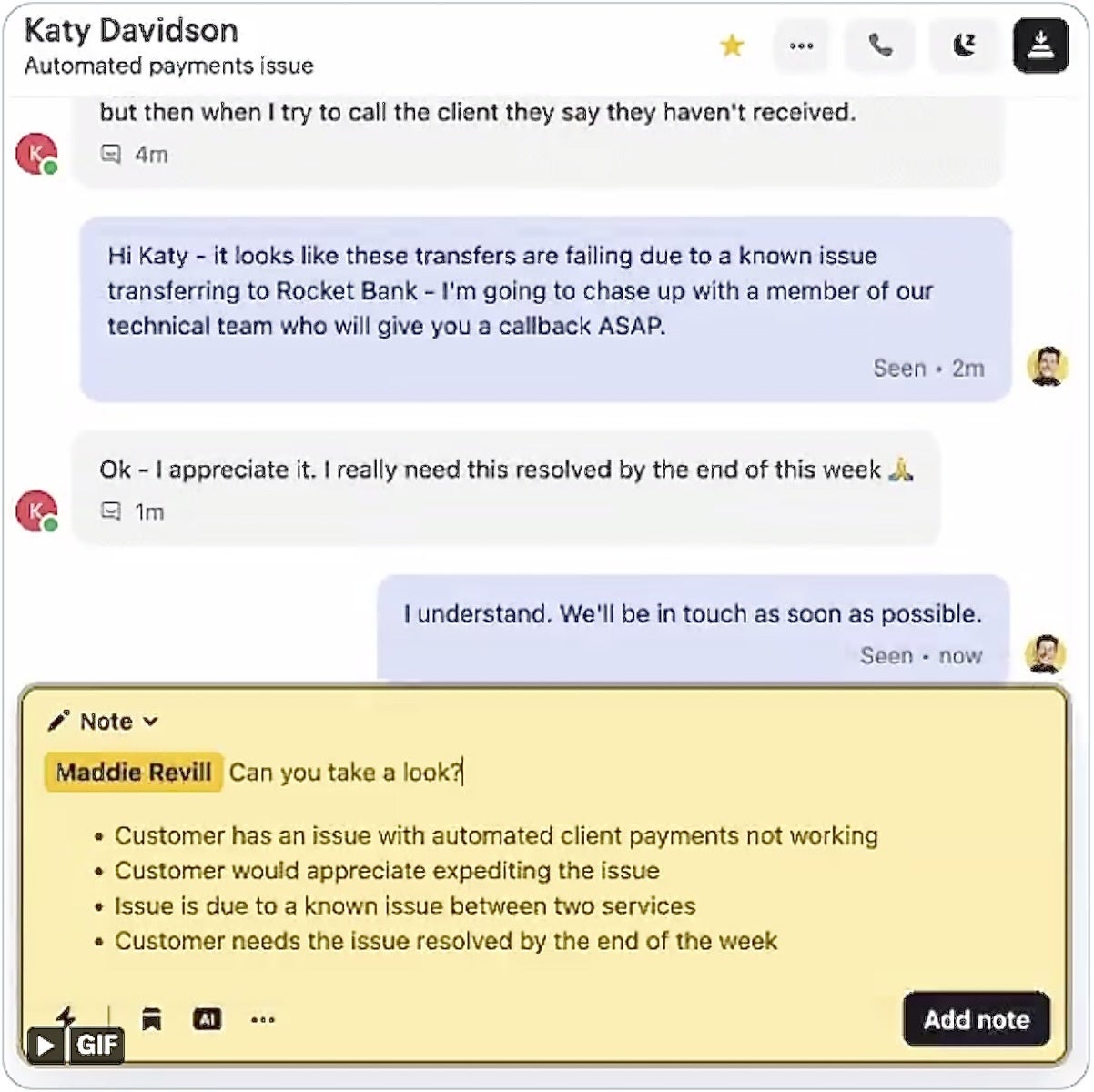
“You literally send it that text, including what you want it to do, and it sends you text back – in this case, which now contains the summarized version [see .gif]. And then we process that, and present it to the support rep, so they can choose to use it or not.
 Twitter
An example of a customer conversation with a representative that is then summarized by the Chat-GPT-powered bot and sent to a customer rep supervisor for futher assistance.
“One thing people do is use this to summarize emails. An email will often contain all the previous history of the emails underneath, and you can use this to summarize [that email thread]. This works in a way that programming languages in the past haven’t, but you have to pay a lot of attention to get it to do what you want it to do. When you ask it to do something, you have to be very specific…to avoid errors.
“It’s interesting. It’s a different type of technology to use. It’s a different technology than traditional machine learning.”
It’s a lot cheaper than paying for a human to do it themselves, but this is something businesses are going to have to figure out. How do we price this?
Did you use your own IT team or software engineers to customize ChatGPT for your uses? And how difficult was that? “At Intercom, we have a very big research and development team — like any software and services tech company. I lead the machine learning team here, so most of the people on the team are deep experts in machine learning and PhDs in the area of machine learning — myself included. So, we have a lot of experience training machine learning models and working with them.
WordPress sites are being attacked with another major plugin hack
Cybersecurity researchers from Malwarebytes have discovered a number of WordPress websites that were compromised and infected with a malicious plugin that quietly generates ad traffic.
In a blog post detailing their findings, it was said that a “few dozen” WordPress websites were breached, and whoever was behind the attack installed a backdoor called “fuser-master”.
Fuser-master is quite the piece of work. It first generates a specific URL, and if a user clicks it, they will be redirected to the legitimate blog, but with a popunder page. That popunder, purchased from a different page, will serve various ads.
Mimicking human behavior
The WordPress plugin will then mimic human behavior, scrolling through the page a bit, before clicking on an ad. If the user scrolls around, moves the mouse, or clicks anything, the plugin will stop its activity, further hiding its presence.
The popunder page was also said to be refreshing itself from time to time, loading additional ads in the process. What’s more, if the visitor closes the browser and sees the popunder, any movement activity will stop.
Read more
In total, Malwarebytes found 50 blogs compromised with fuser-master. One of the sites had some 4 million visits in January alone, the researchers further said, adding that the average visit duration in this period was almost 25 minutes.
Fuser-master’s authors went the distance trying to hide their identities. Not only is the plugin trying hard to hide, but it was impossible to find any references for the plugin, the author name, or a download site, anywhere. The only thing Malwarebytes’ researchers managed to find is one mention of a WordPress theme detector on themesinfo.com.
At first sight, most of the blogs there look legitimate. However, when a user enters the specific URL and other parameters, the site is turned into an ad fraud hub.
- Check out the best firewalls
Bing’s ChatGPT brain is behaving so oddly that Microsoft may rein it in
Microsoft launched its new Bing search engine last week and introduced an AI-powered chatbot to millions of people, creating long waiting lists of users looking to test it out, and a whole lot of existential dread among sceptics.
The company probably expected some of the responses that came from the chatbot to be a little inaccurate the first time it met the public, and had put in place measures to stop users that tried to push the chatbot to say or do strange, racist or harmful things. These precautions haven’t stopped users from jailbreaking the chatbot anyway, and having the bot use slurs or respond inappropriately.
While it had these measures in place, Microsoft wasn’t quite ready for the very strange, bordering unsettling, experiences some users were having after trying to have more informal, personal conversations with the chatbot. This included the Chatbot making things up and throwing tantrums when called out on a mistake or just having a full on existential crisis.
In light of the bizarre responses, Microsoft is considering putting in new safeguarding protocols and tweaks to curtail these strange, sometimes too-human responses. This could mean letting users restart conversations or giving them more control over tone.
Microsoft’s chief technology officer told The New York Times it was also considering cutting the lengths of conservations users can have with the chatbot down before the conversation can enter odd territory. Microsoft has already admitted that long conversations can confuse the chatbot, and can pick up on users’ tone which is where things might start going sour.
In a blog post from the tech giant, Microsoft admitted that its new technology was being used in a way it “didn’t fully envision”. The tech industry seems to be in a mad dash to get in on the artificial intelligence hype in some way, which proves how excited the industry is about the technology. Perhaps this excitement has clouded judgement and put speed over caution.
Analysis: The bot is out of the bag now
Releasing a technology as unpredictable and full of imperfections was definitely a risky move by Microsoft to incorporate AI into Bing in an attempt to revitalise interest in its search engine. It may have set out to create a helpful chatbot that won’t do more than it’s designed to do, such as pull up recipes, help people with puzzling equations, or find out more about certain topics, but it’s clear it did not anticipate how determined and successful people can be if they wish to provoke a specific response from the chatbot.
New technology, particularly something like AI, can definitely make people feel the need to push it as far as it can go, especially with something as responsive as a chatbot. We saw similar attempts when Siri was introduced, with users trying their hardest to make the virtual assistant angry or laugh or even date them. Microsoft may not have expected people to give the chatbot such strange or inappropriate prompts, so it wouldn’t have been able to predict how bad the responses could be.
Hopefully the newer precautions will curb any further strangeness from the AI powered chatbot and take away the uncomfortable feelings when it felt a little too human.
It’s always interesting to see and read about ChatGPT, particularly when the bot spirals towards insanity after a few clever prompts, but with a technology so new and untested, nipping problems in the bud is the best thing to do.
There’s no telling whether the measures Microsoft plans to put in place will actually make a difference, but since the chatbot is already out there, there’s no taking it back. We just have to get used to patching up problems as they come, and hope anything potentially harmful or offensive is caught in time. AI’s growing pains may only just have begun.